SEO Metadata
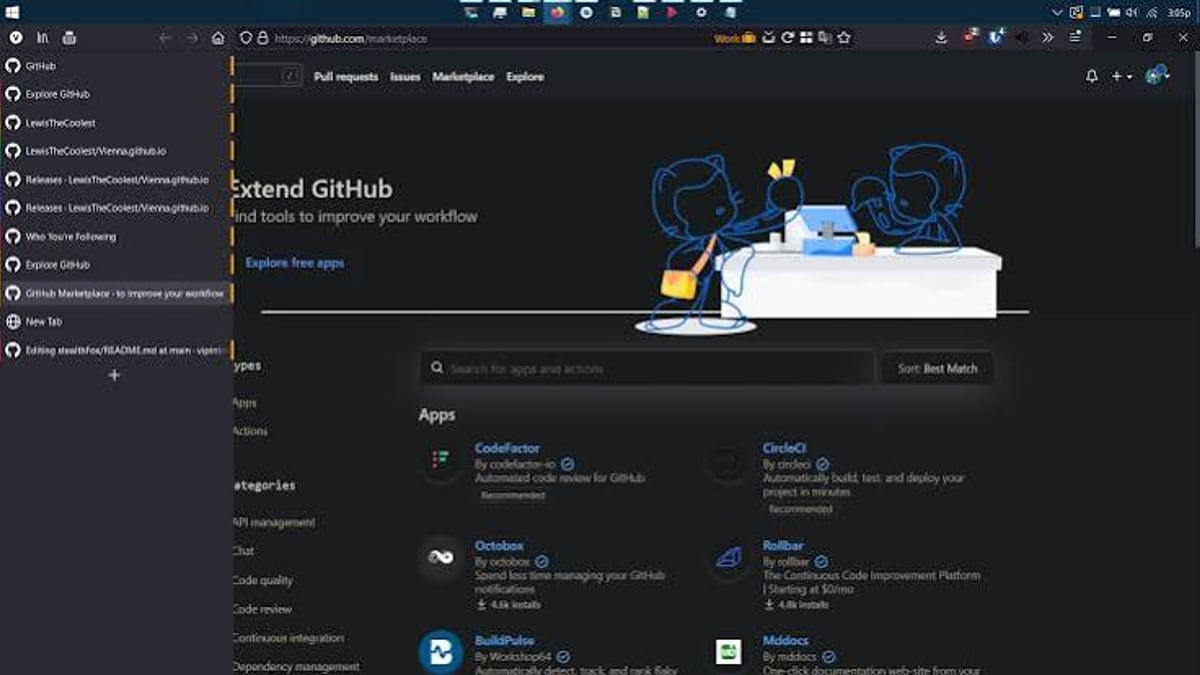
Stealthfox Browser: Evolution, Features & Modern Alternatives - feature overview.
- Title: Stealthfox Browser: Evolution, Features & Modern Alternatives
- Description: Explore Stealthfox browser's history, key features, limitations, and how it evolved into modern anti-detect browsers like Mimic and Multilogin.
- Primary Keyword: Stealthfox browser
- Secondary Keywords: anti-detect browser, Multilogin Stealthfox, Stealthfox vs Mimic, Stealthfox features, Stealthfox limitations, Stealthfox alternative, multi-account management, fingerprint masking, browser profile isolation, Stealthfox Firefox engine, Stealthfox evolution
- Long-tail Keywords: what is Stealthfox browser, Stealthfox browser download, Stealthfox executable not found, Stealthfox vs Mimic vs Multilogin, Stealthfox for multi-account management, Stealthfox fingerprint protection, Stealthfox legacy browser, modern alternatives to Stealthfox
Keyword Summary
Stealthfox Browser: Evolution, Features & Modern Alternatives - workflow example.
- Primary Keyword: Stealthfox browser
- Search Intent: Informational – users want to understand what Stealthfox is, its features, limitations, and how it compares to modern anti-detect browsers.
- Secondary Keywords: anti-detect browser, Multilogin Stealthfox, Stealthfox vs Mimic, Stealthfox features, Stealthfox limitations, Stealthfox alternative, multi-account management, fingerprint masking, browser profile isolation, Stealthfox Firefox engine, Stealthfox evolution
- Long-tail Opportunities: what is Stealthfox browser, Stealthfox browser download, Stealthfox executable not found, Stealthfox vs Mimic vs Multilogin, Stealthfox for multi-account management, Stealthfox fingerprint protection, Stealthfox legacy browser, modern alternatives to Stealthfox
Stealthfox Browser: Evolution, Features & Modern Alternatives
If you've been researching anti-detect browsers for multi-account management, you've likely come across the name Stealthfox. Once a pioneering tool in the space, Stealthfox was the original browser engine built by Multilogin. But what exactly was it, and why has it been replaced? This article covers everything you need to know about Stealthfox — its history, key features, limitations, and how it compares to modern solutions like Mimic and Multilogin.
What Was Stealthfox Browser?
Stealthfox was Multilogin's first browser engine, built on top of Mozilla Firefox. It wasn't a standalone browser you could download separately; instead, it operated within the Multilogin platform as one of the available browser types. Its core purpose was to allow users to run multiple browser profiles simultaneously, each with isolated cookies, cache, and storage, while masking key fingerprinting elements to avoid detection.
For its time, Stealthfox was revolutionary. It gave businesses and individual marketers a tool to separate activities across accounts without constantly running into bans.
Key Features of Stealthfox
When it was active, Stealthfox provided several cutting-edge features for anonymity and account management:
- Fingerprint Masking: Stealthfox randomized or altered values like user agents, canvas fingerprints, WebGL, and fonts, making each profile appear as a different real user.
- Cookie and Storage Isolation: Each browser profile was completely separate. Tracking data, cache, and cookies from one account never leaked into another.
- Proxy Integration: Stealthfox could be paired with external residential or datacenter proxies to further separate accounts by IP address.
- Multi-Account Management: Users could open dozens or even hundreds of profiles inside one dashboard, with each one acting like a unique device and user.
Why Stealthfox Was Revolutionary
Before Stealthfox, marketers relied on clunky setups: running multiple physical devices, manually managing VPNs or proxies, and constantly clearing cookies between accounts. This was inefficient, error-prone, and easily detected by platforms.
Stealthfox changed the game by providing:
- Scalability: Handle more accounts with less hardware.
- Efficiency: No need to clear cookies or switch machines.
- Anonymity: Fingerprints and IPs looked unique per profile.
It became especially popular with affiliate marketers running Facebook Ads campaigns, e-commerce sellers managing multiple Amazon or eBay stores, and growth hackers scaling accounts on platforms like Instagram.
Where Stealthfox Fell Short
As groundbreaking as Stealthfox was, it eventually couldn't keep up with detection systems that grew more advanced year after year.
- Limited Fingerprint Depth: Stealthfox spoofed the basics but lacked control over subtle identifiers like TLS fingerprinting or behavioral analytics that platforms now rely on.
- No Mobile Support: In an era when TikTok, Instagram, and WhatsApp dominate, Stealthfox's lack of mobile anti-detect browser support made it obsolete.
- Outdated Engine: Because it was tied to Firefox, Stealthfox struggled to keep up with modern web standards and detection changes.
- Frequent Errors: Users often reported installation or runtime issues like "Stealthfox executable is not found." These errors highlighted how the engine was falling behind in stability.
The Evolution: From Stealthfox to Modern Anti-Detect Browsers
Recognizing these limitations, Multilogin invested in building newer, more advanced browser engines. Stealthfox was eventually retired in favor of modern solutions like Mimic (Chromium-based) and updated anti-fingerprinting frameworks.
Here's how Multilogin evolved beyond Stealthfox:
- Stronger Fingerprint Protection: Where Stealthfox masked only surface-level identifiers, Multilogin's new engines simulate genuine device fingerprints tested daily against detection systems.
- Native Mobile Profiles: Stealthfox never supported mobile. Multilogin now provides real Android profiles, making it the only anti-detect browser offering true native mobile environments.
- Built-In Proxies: Stealthfox required manual proxy integration. Multilogin today includes premium residential proxies built into its plans, covering 150+ countries.
- Scalable Collaboration: Multilogin now supports team role assignments, cloud + local profile storage, and enterprise-grade logging — all features Stealthfox never had.
- Automation at Scale: Unlike Stealthfox's limited API options, Multilogin integrates with Selenium, Puppeteer, and Playwright, enabling advanced web automation for account creation, testing, and scraping.
Stealthfox vs Mimic: A Direct Comparison
One of the most common questions is: "How does Stealthfox compare to Mimic?" The answer is simple: Mimic is the direct evolution of Stealthfox.
| Feature | Stealthfox | Mimic (Multilogin's Modern Engine) |
|---|---|---|
| Base engine | Firefox (outdated) | Chromium (up-to-date) |
| Fingerprint masking | Basic | Advanced, updated daily |
| Mobile support | ❌ None | ✅ Native Android support |
| Proxy integration | Manual only | Built-in + external |
| Automation | Limited | Full Selenium, Puppeteer, Playwright |
| Detection resistance | Weak | Strong, enterprise-level |
Verdict: Mimic is everything Stealthfox was meant to be — a browser engine that adapts to modern detection systems and provides robust multi-account management.
Modern Alternatives to Stealthfox
If you're looking for a reliable anti-detect browser today, you have several excellent options beyond Stealthfox:
- Multilogin (Mimic): The direct successor, offering advanced fingerprint protection, mobile support, and built-in proxies.
- Antik Browser: A strong alternative with team plans and multi-account management features. Read our Antik Browser Review 2025.
- ClonBrowser Pro: Focuses on automation workflows and multi-account management. Check out our ClonBrowser Pro Review 2025.
- Kameleo: Another popular anti-detect browser with a focus on web scraping and multi-account management. See our Kameleo Review 2025.
For teams managing multiple accounts at scale, AgentBooks offers a unified dashboard to organize profiles, track activity, and automate workflows across different browsers — making it easier to transition from legacy tools like Stealthfox.
Related reading
- Mimic Definition, Types & Digital Countermeasures (2025) - Explore the definition of mimic, from biological mimicry to digital anti-detect tools. Learn how businesses manage multi-account operations safely.
- DuoPlus Cloud Phone Review 2025: Features, Pricing & Use Cases - Explore DuoPlus cloud phone: anti-detect Android 15 devices for multi-account management. Review features, pricing, and real-world use cases for 2025.
Frequently Asked Questions About Stealthfox
Can I still download Stealthfox browser?
No, Stealthfox is no longer available for download. It was retired by Multilogin in favor of modern engines like Mimic.
Why did Stealthfox get discontinued?
Stealthfox was discontinued because it couldn't keep up with modern detection systems. It lacked mobile support, had limited fingerprint depth, and was based on an outdated Firefox engine.
What is the difference between Stealthfox and Multilogin?
Multilogin is the platform that originally hosted Stealthfox. Today, Multilogin offers modern browsers like Mimic, which provide advanced fingerprint protection, mobile profiles, and built-in proxies.
Is Stealthfox still usable?
Technically, if you have an old version of Multilogin that still supports Stealthfox, you might be able to use it. However, it's not recommended due to security risks and detection vulnerabilities.
What are the best alternatives to Stealthfox?
The best alternatives are modern anti-detect browsers like Multilogin (Mimic), Antik Browser, ClonBrowser Pro, and Kameleo. Each offers advanced fingerprint masking, mobile support, and automation capabilities.
Conclusion
Stealthfox was a pioneer in the anti-detect browser space, enabling multi-account management at a time when few tools existed. However, as detection systems evolved, Stealthfox's limitations became clear. Today, modern alternatives like Mimic, Antik Browser, and ClonBrowser Pro offer far superior fingerprint protection, mobile support, and automation capabilities.
If you're still relying on legacy tools like Stealthfox, it's time to upgrade. Modern anti-detect browsers provide the security, scalability, and efficiency needed to manage multiple accounts safely in 2025 and beyond.
For more insights on anti-detect browsers and multi-account management, explore our reviews of Antik Browser, ClonBrowser Pro, and Kameleo.
External references: Multilogin Blog - What is Stealthfox Browser?, GitHub - vipintom/stealthFox, GitHub - rstacruz/firefox-stealthfox